

Wombaroo Rabbit Milk Replacer
Wombaroo
$22.99 - $79.99
(No reviews yet)

Write a Review
Wombaroo
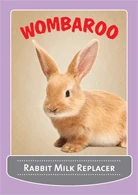
Wombaroo Rabbit Milk Replacer
Complete and easily digested milk replacer formulated for all rabbit breeds. Use for orphaned kits, large litters or when mother’s milk is limited.
Key Features
- Like mother’s milk
- High in energy (3x higher than cow milk) to cater for rapid growth of kits
- Successfully replicates the protective antimicrobial milk-oil fatty acids of natural rabbit milk for gut health
- High in solids with elevated fat and protein levels
Suitable for
Kits from all rabbit (such as european and cottontail) and hare species
About rabbit milk:
Different species of mammals produce milk of different composition to nourish their young. Rabbit milk is very high in solids with elevated levels of protein and fat. The energy content is about three times that of cow’s milk. However rabbit milk is low in carbohydrate (lactose), with kits being intolerant to cow’s milk formulas. The high energy content of rabbit milk means that young are fed infrequently, usually only once or twice a day. Rabbit milk is unusual in containing ‘milk oil’, a group of medium-chain fatty acids with antibacterial activity in the stomach. This helps sterilise the gut from pathogens and prevents digestive upset.
Preparation
Success in rearing young rabbits greatly improves if they receive colostrum at birth. Kits that don’t get colostrum from the mother can be fed Impact Colostrum Supplement.
To make 40mL of milk: Mix 14g of powder with 25mL of warm water.
To make 500mL of milk: Mix 180g of powder with 330mL of warm water.
Add half the water to the powder first and mix to a paste. Then add the remaining water and mix thoroughly. Pre-boil the water to ensure it is sterilised. If the water is too hot it can cause the milk to curdle. If it is too cold then it will be difficult to disperse the powder. An electric whisk can be used for mixing larger quantities.
Milk can be stored in the fridge for up to a day or can be frozen for up to 2 weeks. It is useful to make-up larger quantities and store it frozen in small portions (e.g. ice cube trays), so that the required daily feed volumes can be easily thawed out. Once thawed out, discard any unused milk, and wash feeding utensils thoroughly.
Feeding guide
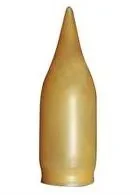
Warm milk to about 35°C. Feed from a Wombaroo Bottlewith teat (Teat-C or Teat-P is recommended) or syringe. In emergency cases tube feeding may be required. Rabbit milk is very high in energy and kits need only be fed twice a day (morning and evening). Stimulate young kits to defecate and urinate after each feed. Kits may be encouraged to lap once their eyes are open.
To avoid dehydration during periods of hot weather give drinks of pre-boiled water between feeds. Always offer kits drinking water once their eyes are open and they become active. Consult your veterinarian or breeder for particular advice about caring for young rabbits.
Growth
Consistent weight gain is an indication of good health. Different breeds of rabbits have different growth rates. Carers should contact their veterinarian or experienced breeder for information about the growth rate of their particular breed. It is important to weigh kits regularly to verify growth rate and determine the volume of milk to feed. Overfeeding milk can cause diarrhoea so feed the suggested volumes in our tables.
Weaning
Kits may begin to show interest in solid foods around 15 days of age. Ideally kits should be provided with caecotrophs (caecal pellets) from a healthy adult animal to help establish the correct gut flora prior to the consumption of solid foods. These could be mixed in with the milk.
Initially establish young rabbits solely on hay, and then gradually add some green leafy vegetables. Once they start to eat solid food continue to increase solids and reduce milk intake until they are fully weaned at around 5 to 6 weeks. Avoid any foods containing high levels of starch or sugars (e.g. pellets, root vegetables or fruit) until fully weaned, and even then only as supplemental foods. Digestive upset due to incorrect feeding is a major cause of sickness and mortality in recently weaned rabbits.
Once weaned, Wombaroo Clover Pellets are an ideal and popular adult rabbit food to nutritionally balance a hay and vegetable diet.