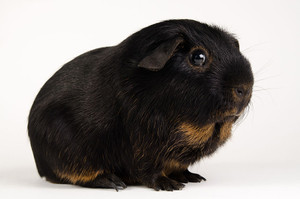


Wombaroo Guinea Pig Milk Replacer | 190G
Wombaroo
$22.99
(No reviews yet)

Write a Review

Wombaroo
Wombaroo Guinea Pig Milk Replacer | 190G
Wombaroo Guinea Pig Milk Replacer
Wombaroo Guinea Pig Milk Replacer is a specially formulated milk substitute for orphaned guinea pig pups, large litters or situations where the mother's milk supply is limited.
Designed to closely match the composition of natural guinea pig milk, it provides the high protein levels needed for rapid growth, along with essential vitamin C to support healthy joints and development.
Newborn pups that have not received their mother's colostrum may also benefit from Wombaroo Impact Colostrum Supplement.
Key Features
-
Like mother's milk: Formulated to match the natural composition of guinea pig milk.
-
High in protein: Supports the rapid growth and development of young pups.
-
Added vitamin C: An essential nutrient for healthy guinea pigs, including joint health.
-
Nutritional support: Suitable for orphaned pups, large litters or when the mother's milk is insufficient.
Mixing Instructions
To make 35mL of milk:
Mix 1 level scoop (6.5g) of powder with 30mL of warm water.
To make 1 litre of milk:
Mix 190g of powder with 870mL of warm water.
-
Use pre-boiled water to ensure it is sterilised.
-
Add approximately half the water to the powder and mix into a smooth paste.
-
Add the remaining water and mix thoroughly.
-
Avoid water that is too hot, as it may curdle the milk, or too cold, as the powder may not disperse properly.
-
An electric whisk can be used when preparing larger quantities.
Storage: Prepared milk can be refrigerated for up to 1 day or frozen for up to 2 weeks. Freezing small portions, such as in ice cube trays, makes daily feeding easier. Once thawed, discard unused milk and thoroughly wash all feeding equipment.
Feeding Guide
Warm prepared milk to approximately 35°C before feeding. Use a syringe or feeding bottle with a teat. Wombaroo recommends the P Teat.
The following are recommended total daily milk volumes based on body weight.
| Body Weight | Milk per Day |
|---|---|
| 40g | 15mL |
| 50g | 18mL |
| 60g | 21mL |
| 70g | 23mL |
| 80g | 26mL |
| 90g | 28mL |
| 100g | 31mL |
| 110g | 33mL |
| 120g | 35mL |
| 130g | 37mL |
| 140g | 39mL |
| 150g | 42mL |
| 160g | 44mL |
| 170g | 46mL |
| 180g | 48mL |
Feeding frequency:
-
First 5 days: Feed every 2–3 hours.
-
As pups grow: Gradually reduce to every 4–6 hours.
-
When eating significant solid food: Reduce milk volume and feeding frequency accordingly.
Pups need assistance with urination and defecation during their first week. Because guinea pigs are born relatively well-developed and mobile, they may also be encouraged to lap milk soon after birth.
Always provide plenty of fresh water, particularly during hot weather, to help prevent dehydration.
Consult your veterinarian or an experienced breeder for advice on caring for young guinea pigs and safe feeding techniques.
Monitoring Growth
Guinea pig pups typically weigh 60–110g at birth.
Their weight may remain stable for the first couple of days, but they should then gain approximately 3–7g per day, depending on breed.
Weigh pups regularly to monitor growth and calculate the correct daily milk volume.
Avoid overfeeding, as excessive milk can cause diarrhoea. Follow the recommended feeding quantities.
Weaning
Guinea pig pups may begin showing interest in solid foods as early as 2–3 days old.
Initially offer:
-
Good-quality hay
-
Green leafy vegetables
-
Suitable guinea pig pellets
Where possible, pups should have access to caecotrophs (caecal pellets) from a healthy adult guinea pig to help establish healthy gut flora.
Gradually increase solid food while reducing milk feeds, aiming for full weaning at approximately 14–21 days.
Avoid foods high in starch or sugar, including root vegetables, grains and fruit, until pups are fully weaned.
Although some carers wean pups at 5–7 days because they can already eat solid food, early weaning may restrict protein intake during their fastest growth stage, potentially causing developmental problems or stunted growth.
Wombaroo recommends continuing some milk feeds for as long as possible, up to 21 days, similar to naturally mother-reared pups.
Frequently Asked Questions
What is Wombaroo Guinea Pig Milk Replacer used for?
It is a specially formulated milk substitute for orphaned guinea pig pups, large litters or pups whose mother cannot provide enough milk.
How often should I feed a newborn guinea pig?
For the first five days, feed every 2–3 hours. As pups grow, feeds can gradually be spaced to every 4–6 hours. Follow the recommended daily volume for the pup's body weight.
When can baby guinea pigs start eating solid food?
Pups may begin nibbling hay, leafy greens and pellets from 2–3 days old, but should continue receiving milk while developing and growing.
When should guinea pig pups be weaned?
Wombaroo recommends gradually weaning between 14 and 21 days, maintaining some milk feeds for up to 21 days to support healthy growth.
Does Wombaroo Guinea Pig Milk Replacer contain vitamin C?
Yes. The formula includes vitamin C, an essential nutrient guinea pigs need for healthy development and joint health.
Wonderworld Tip
A small digital scale is one of the most useful tools when hand-rearing guinea pig pups. Weigh them regularly to track growth and adjust feeding volumes according to their weight.
Remember, young guinea pigs can begin eating hay and other suitable solid foods very early, but this doesn't mean they're ready to stop milk feeds. Continuing milk during their early growth period helps provide the protein they need.